Why Baltimore Days on Market Jumped from 52 to 65 Days in 2026 – What This Means for Your Seller Strategy
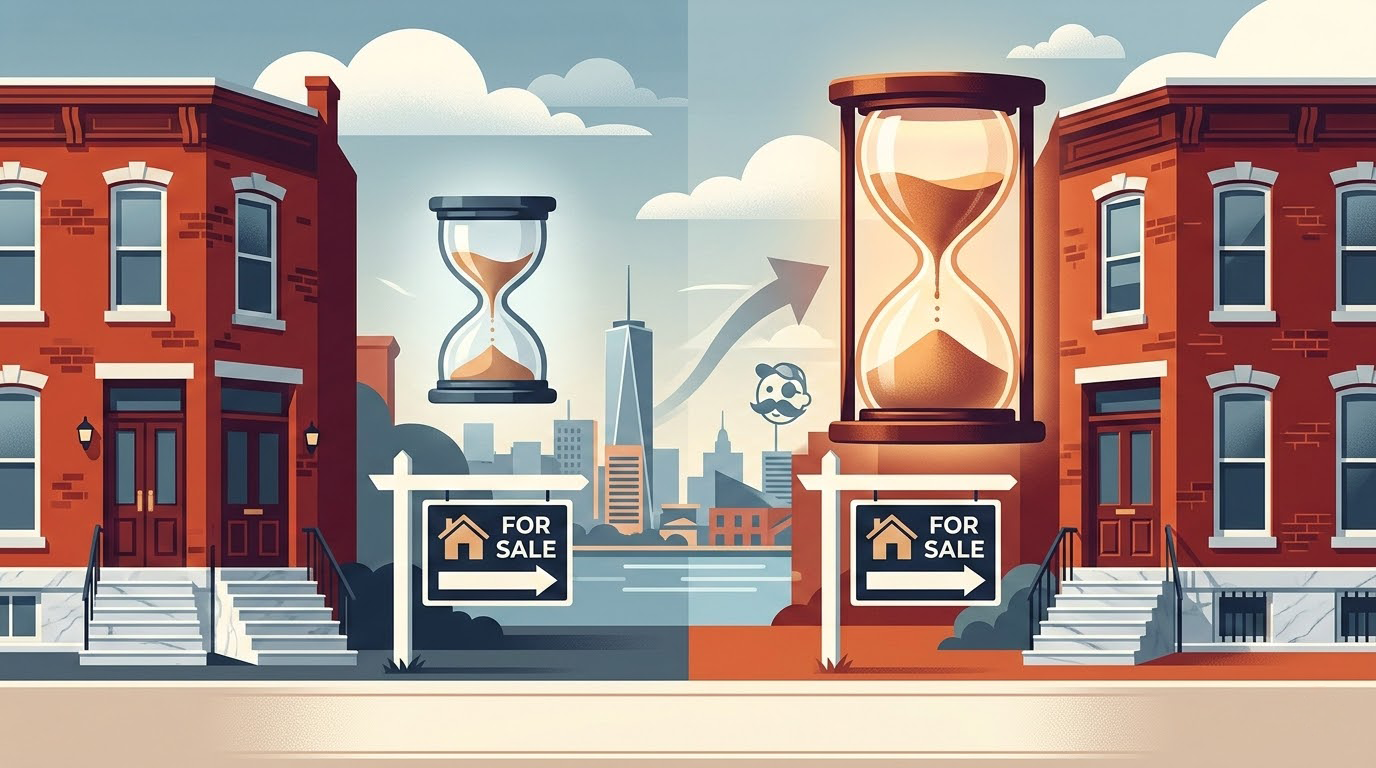
The Baltimore real estate market has experienced a notable shift in 2026, with the average Days on Market (DOM) increasing from 52 to 65 days. This change has significant implications for sellers in Baltimore and surrounding areas, including Baltimore City, Baltimore County, Harford County, Howard County, and Anne Arundel County. Understanding these shifts can help sellers develop effective strategies to navigate the evolving landscape.
Understanding the Shift: Economic and Market Factors
Several economic factors have contributed to the increase in DOM. Rising interest rates have made mortgages more expensive, reducing the pool of potential buyers. According to Freddie Mac, higher rates have slowed down the housing market nationwide, with Baltimore being no exception. Additionally, inflation has affected consumer spending power, further impacting buyer readiness.
The supply and demand dynamics have also played a role. An increase in housing inventory has provided buyers with more options, leading to longer decision-making times. The Baltimore Metropolitan Council reports that new housing developments have increased in surrounding counties, affecting overall market saturation.
Local Nuances: Neighborhood Variations
Different neighborhoods in Baltimore are experiencing varying impacts on DOM. For example, areas like Federal Hill and Canton continue to attract buyers due to their vibrant communities and amenities, but they are still seeing a slight increase in DOM. In contrast, emerging neighborhoods such as Charles North and Station North are experiencing longer DOM due to ongoing developments and transformations.
The appeal of suburban areas like Howard County, known for its school systems and community resources, also shifts buyer interest away from the city. A recent study highlights the county’s investment in infrastructure and quality of life, making it a desirable location despite the market slowdown.
Adapting Your Seller Strategy: Pricing and Presentation
In response to these changes, sellers should reevaluate their pricing strategies. Competitive pricing is crucial in attracting buyers quickly. Utilizing a comparative market analysis (CMA) can help set realistic expectations and adjust listing prices accordingly. According to the National Association of Realtors, homes priced correctly from the start tend to sell faster.
Presentation is equally important. Staging your home to highlight its best features can make a significant difference. Professional photography and virtual tours can enhance online listings, capturing the attention of buyers who are browsing from home. A well-presented property can stand out in a crowded market, reducing DOM.
For insights on maximizing sale prices through renovations, see 10 Top Reno’s That Will Up the Sale Price of Your Home.
Leveraging Technology and Marketing
Technology and targeted marketing are vital tools for reducing DOM. Employing digital marketing strategies, such as social media advertising and email campaigns, can broaden your reach. Platforms like Zillow and Realtor.com offer insights into buyer behavior, allowing for tailored marketing approaches.
Virtual open houses and 3D walkthroughs have become essential in showcasing properties to a wider audience. These tools not only appeal to tech-savvy buyers but also cater to those relocating from other regions who may not be able to visit in person. The Maryland Association of Realtors provides resources for implementing these technologies effectively.
Navigating Legal and Ethical Considerations
Sellers must remain mindful of legal and ethical considerations, including compliance with Fair Housing laws and the REALTOR® Code of Ethics. Ensuring transparency in all communications and transactions is crucial. The Maryland Real Estate Commission offers guidelines to ensure compliance and protect both buyers and sellers.
Additionally, understanding the RESPA requirements can prevent legal pitfalls during transactions. Adhering to these regulations not only builds trust but also safeguards your selling process.
For more on the importance of working with a realtor, visit Why It’s Important To Work With A Realtor.
Conclusion
The increase in Baltimore's DOM reflects broader economic trends and local market dynamics. By understanding these shifts and adapting strategies accordingly, sellers can navigate the market more effectively. Competitive pricing, enhanced property presentation, and the use of technology are critical components of a successful selling strategy. As the market continues to evolve, staying informed and compliant will ensure that sellers remain competitive and achieve their goals.
Check out this article next