Baltimore Affordability vs National Average: Maximizing Your Buying Power in 2026
Introduction
Baltimore's real estate market offers a unique blend of historical charm and modern affordability. For motivated homebuyers and sellers in the Baltimore area, understanding how local prices compare to the national average is crucial for maximizing buying power. This guide explores Baltimore's affordability, providing insights and strategies for making informed real estate decisions in 2026.
Understanding Baltimore's Market Dynamics
Baltimore's housing market is a tapestry of diverse neighborhoods, each with its own character and price points. Compared to the national average, Baltimore stands out for its affordability, especially in areas like Federal Hill and Canton, which offer great value for buyers seeking vibrant community life.
Regional Nuances
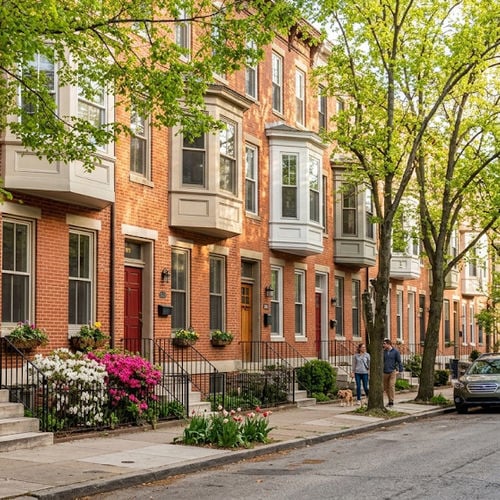
Baltimore's affordability is partly due to its varied housing stock. From historic row houses to modern condos, the city caters to a wide range of preferences and budgets. The median home price in Baltimore is significantly lower than in cities like New York or San Francisco, making it an attractive option for first-time buyers.
- Baltimore City: Known for its cultural diversity and historic districts, it offers competitive prices compared to the national average.
- Baltimore County: Provides suburban tranquility with more spacious properties, ideal for families seeking a balance between urban and suburban life.
- Harford County: Offers rural charm and lower property taxes, appealing to those looking for a quieter lifestyle.
Baltimore's affordability is a double-edged sword, however. While it attracts buyers, it also means slower appreciation rates compared to more expensive markets. This requires buyers to carefully consider their long-term investment strategies.
External Factors
External factors like interest rates and economic conditions play a significant role in affordability. As interest rates fluctuate, so does the cost of borrowing. Keeping an eye on national trends and Federal Reserve policies can provide valuable insights for timing your purchase.
Strategies for Maximizing Buying Power
Maximizing buying power in Baltimore involves strategic planning and a deep understanding of the market. Here are some strategies to consider:
Leverage Local Loan Programs
Baltimore offers several loan programs tailored to different buyer needs. Programs like the Maryland Mortgage Program provide competitive rates and down payment assistance, especially beneficial for first-time buyers. Understanding the nuances of these programs can significantly enhance your purchasing power.
- First-Time Homebuyer Loans: These often come with lower interest rates and reduced down payment requirements.
- Rehabilitation Loans: Ideal for buyers looking to invest in older properties needing renovation.
- Military and Veteran Benefits: Programs like the VA Loan offer zero down payment options for eligible veterans.
For more on choosing the best loan programs, consider reading this guide on first-time homebuyer loans in Baltimore.
Timing Your Purchase
The timing of your purchase can impact affordability. Baltimore's market trends show that buying in the late winter months can offer lower prices and less competition. However, waiting for the spring market might bring more inventory and options. Understanding these seasonal trends can help you make a strategic decision.
- Winter Months: Less competition, potential for lower prices.
- Spring and Summer: More listings, but increased competition and prices.
For insights into the best time to buy, explore this market timing guide.
Neighborhood Comparisons
Baltimore's neighborhood diversity means prices can vary significantly within a few miles. Comparing neighborhoods is essential for finding the best value. For instance, Federal Hill vs. Canton highlights the differences in lifestyle and pricing between two popular areas.
- Federal Hill: Known for nightlife and dining, offers a vibrant urban experience.
- Canton: More residential with waterfront views, appealing to families.
Navigating Market Trends
Understanding and navigating market trends is crucial for buyers and sellers alike. Baltimore's market is influenced by local developments, economic factors, and national trends.
Economic Indicators
Key economic indicators such as employment rates and local economic growth can impact housing prices. Baltimore's economy is bolstered by sectors like healthcare and education, which provide stability and job growth. Monitoring these indicators can help predict future price movements.
- Healthcare: One of the largest employers, providing stability to the local economy.
- Education: Institutions like Johns Hopkins University contribute significantly to economic growth.
Development Projects
Ongoing and future development projects can dramatically alter neighborhood dynamics and property values. The Port Covington redevelopment is a prime example, promising to transform South Baltimore with new commercial and residential spaces.
- Infrastructure Improvements: Can lead to increased property values.
- New Developments: Offer opportunities for early investment with potential appreciation.
Conclusion
Baltimore's unique blend of affordability and diverse neighborhood options makes it an attractive market for homebuyers looking to maximize their buying power. By understanding regional nuances, leveraging local loan programs, and staying informed on market trends, buyers can make strategic decisions that align with their financial goals. As 2026 approaches, Baltimore remains a city where affordability meets opportunity, offering a compelling case for those ready to invest in its vibrant community.
Check out this article next