VA Loan vs USDA Loan: Best Options for Baltimore Area Homebuyers in 2026
Introduction
Navigating the home buying process in Baltimore can be complex, especially when choosing between a VA Loan and a USDA Loan. Both options offer unique benefits and are tailored to specific borrower needs, making them popular among homebuyers in the Baltimore area. This guide delves into the nuances of each loan type, helping you make an informed decision that aligns with your financial situation and homeownership goals.
Understanding VA Loans
What is a VA Loan?
A VA Loan is a mortgage option available to veterans, active-duty service members, and some members of the National Guard and Reserves. It is backed by the U.S. Department of Veterans Affairs, offering competitive terms and flexible requirements.
Benefits of VA Loans
- No Down Payment: One of the most significant advantages of a VA Loan is the ability to purchase a home without a down payment, which can be a game-changer in markets like Baltimore.
- No Private Mortgage Insurance (PMI): Unlike conventional loans, VA Loans do not require PMI, potentially saving borrowers hundreds of dollars each month.
- Competitive Interest Rates: VA Loans often come with lower interest rates compared to conventional loans, as they are partially backed by the government.
Considerations for VA Loans
- Eligibility Requirements: While VA Loans offer great benefits, they are only available to those who meet the specific service criteria. For more details on eligibility, visit the VA's official site.
- Funding Fee: There is a mandatory funding fee, which can be rolled into the loan amount, to help fund the VA Loan program.
Real-World Example
A veteran purchasing a home in the historic Federal Hill neighborhood might choose a VA Loan to take advantage of the no-down-payment benefit, allowing them to retain savings for home renovations.
Exploring USDA Loans
What is a USDA Loan?
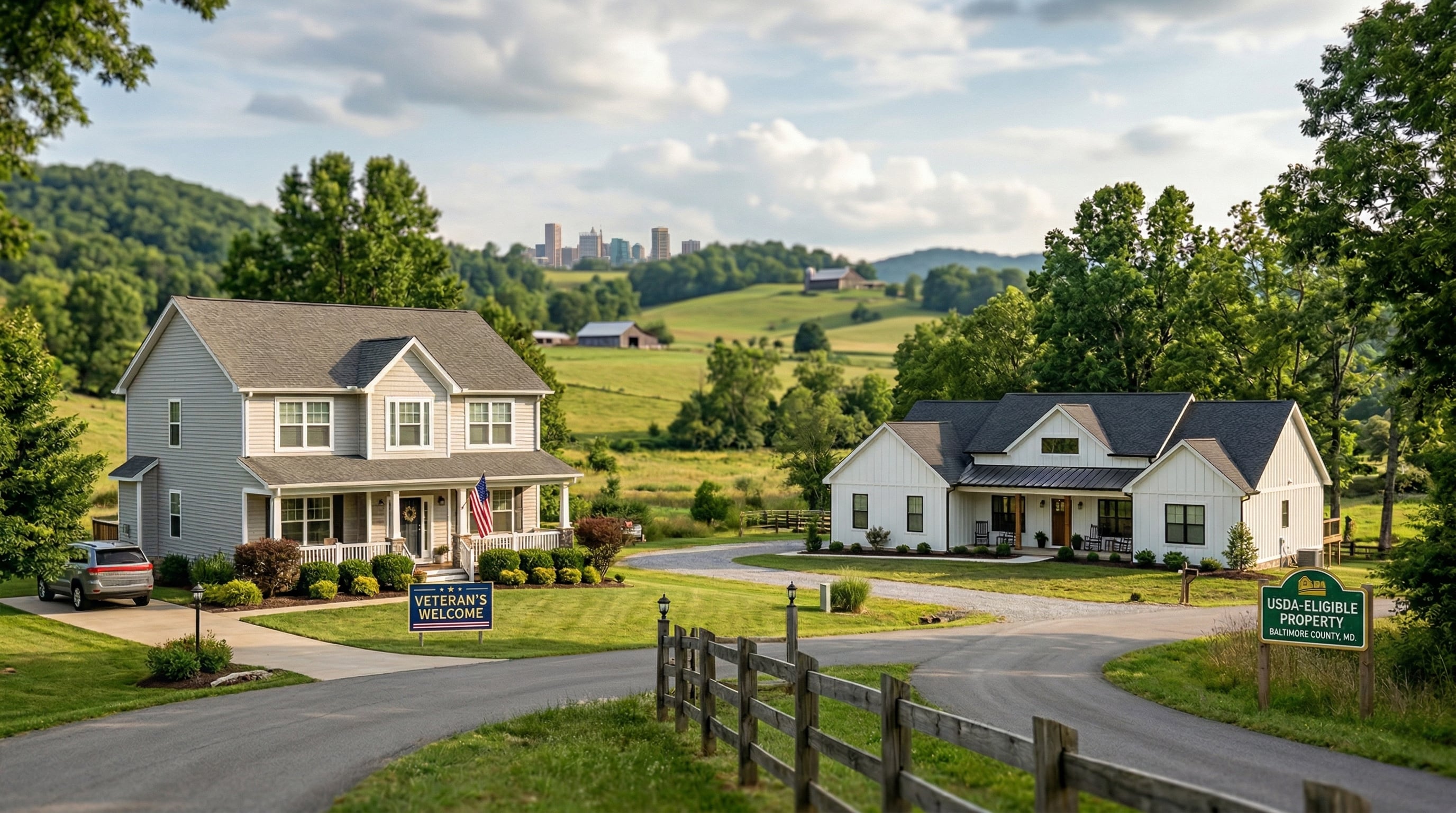
The USDA Loan is designed to help low-to-moderate income homebuyers in eligible rural and suburban areas, backed by the U.S. Department of Agriculture. It aims to promote homeownership in less densely populated areas.
Benefits of USDA Loans
- Zero Down Payment: Like VA Loans, USDA Loans also offer a no-down-payment option, making them accessible for buyers with limited upfront funds.
- Lower Mortgage Insurance Costs: While mortgage insurance is required, the premiums are typically lower than those for FHA loans.
- Flexible Credit Requirements: USDA Loans often have more lenient credit requirements, benefiting those with lower credit scores.
Considerations for USDA Loans
- Geographic Restrictions: USDA Loans are limited to specific rural and suburban areas, which may not include all parts of Baltimore. Check the USDA's eligibility map to see if your desired area qualifies.
- Income Limits: There are income caps for USDA Loans, which vary by location and family size.
Real-World Example
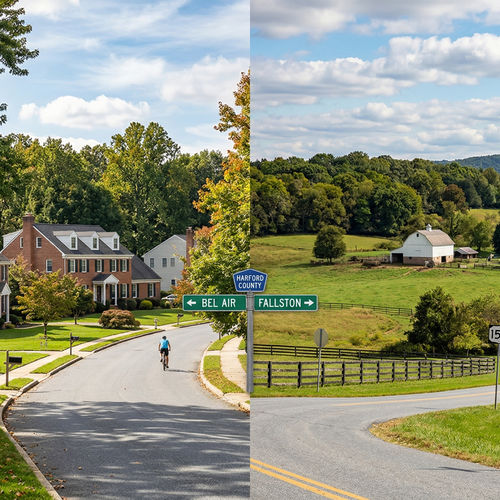
A family looking to settle in the quieter outskirts of Harford County might find the USDA Loan an ideal choice, offering a path to homeownership without the need for a large down payment.
Comparing VA and USDA Loans
Key Similarities
- No Down Payment: Both loan types offer the significant advantage of requiring no down payment, which is particularly beneficial in the Baltimore market, where home prices have been on the rise.
- Government-Backed: These loans are backed by government entities, which often translates to more favorable terms for borrowers.
Key Differences
- Eligibility: VA Loans are exclusive to veterans and military personnel, whereas USDA Loans are available to the general public but restricted to specific areas.
- Insurance Costs: VA Loans do not require PMI, while USDA Loans do, albeit at a lower rate than conventional loans.
Local Market Impact
In Baltimore, where neighborhoods like Canton are thriving, understanding the benefits and limitations of these loans can help buyers make strategic decisions. For instance, a veteran might choose a VA Loan to purchase a home in a bustling urban area, while a civilian could utilize a USDA Loan for a property in a more suburban setting.
Navigating the Baltimore Real Estate Market
Current Market Trends
The Baltimore real estate market has seen significant changes, with increasing property values in areas like Locust Point. Understanding these trends is crucial when deciding between loan options.
Neighborhood Considerations
- Urban vs Suburban: Urban areas may offer more amenities but come with higher property prices. Suburban areas, potentially eligible for USDA Loans, might offer more space and affordability.
- Investment Potential: Areas undergoing redevelopment, such as Port Covington, may present unique opportunities for long-term investment.
Strategic Decision-Making
Evaluating the best time to buy is essential. For instance, market forecasts for 2026 suggest continued growth, making now a potentially advantageous time to secure a favorable loan.
Conclusion
Choosing between a VA Loan and a USDA Loan in the Baltimore area hinges on several factors, including eligibility, location preferences, and financial goals. Both loan types offer unique benefits that cater to different needs and circumstances. By understanding these options and considering the local market dynamics, homebuyers can make informed decisions that align with their long-term objectives.
For further insights into homebuying in Baltimore, consider exploring related topics such as first-time homebuyer loan programs and neighborhood comparisons.
Check out this article next